// About

How I got here.

I started in film and video, but I was always pulled toward the machinery behind the image. Cameras, editing systems, compression, streaming, cloud infrastructure, AI. The story kept changing, but the thing that interested me stayed the same: how technology changes what media can become.

Andy as a toddler, chin in hands, lying on a rug in a 1970s living room

From film school to media infrastructure

I studied film and video at SCAD in the 1990s, right as computers were beginning to reshape production. Nonlinear editing was arriving, cameras were starting their long march from expensive hardware to everyday devices, and the idea that video could move through software instead of specialized machines was still new enough to feel strange.

That timing shaped my career. I came into media through filmmaking, but I became useful through systems: video compression, early live streaming, encoding infrastructure, and the technical layers that make modern media possible. I worked through the startup side of that transition with Inlet Technologies and Elemental Technologies, helping build pieces of the streaming stack before streaming became ordinary.

Microsoft came later, after those worlds started converging. I spent twelve years there, eventually serving as Worldwide CTO for Media & Entertainment, working across broadcast modernization, cloud workflows, streaming infrastructure, and AI in production. A lot of the work was helping large media companies figure out what came next before the industry had a clean name for it.

The throughline is pretty simple. I've spent most of my career standing between creative ambition and technical reality, trying to understand how the systems underneath storytelling change what stories can do.

Today, that question sits at the center of everything I do: Engines of Change, Future Frames, Alchemy Creations, and the companies I work with across media and AI. The tools have changed. The question has not.
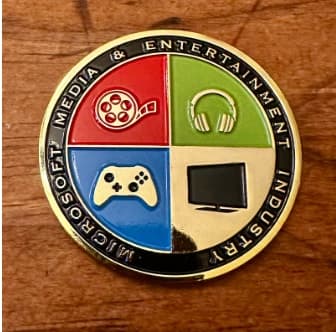
A Microsoft Media & Entertainment Industry challenge coin

Engines of Change started as a way to make sense of a transition I was watching from the inside.

The deeper the work went, the more obvious it became that the story was bigger than artificial intelligence. The systems underneath storytelling were changing, and the changes were showing up everywhere. In production workflows. In distribution economics. In what counts as an archive. In who gets to call themselves a creator.

The writing is how I work that out in public. The podcast is how I check my thinking against people who are building the thing. Most of what I believe about this transition has been corrected at least once by a conversation.

What I'm working toward is, plainly, a clearer understanding of how media changes when machines become collaborators in the creative process. Not as a sci-fi scenario. As a working reality that's already half-deployed.

The questions I keep coming back to are the obvious ones, except they keep yielding less obvious answers the longer you sit with them.

  • How do the systems that power media shift when software starts making creative decisions?
  • What's worth preserving from how things worked before, and what's worth letting go?
  • What roles disappear, what roles emerge, and what gets harder to do well?

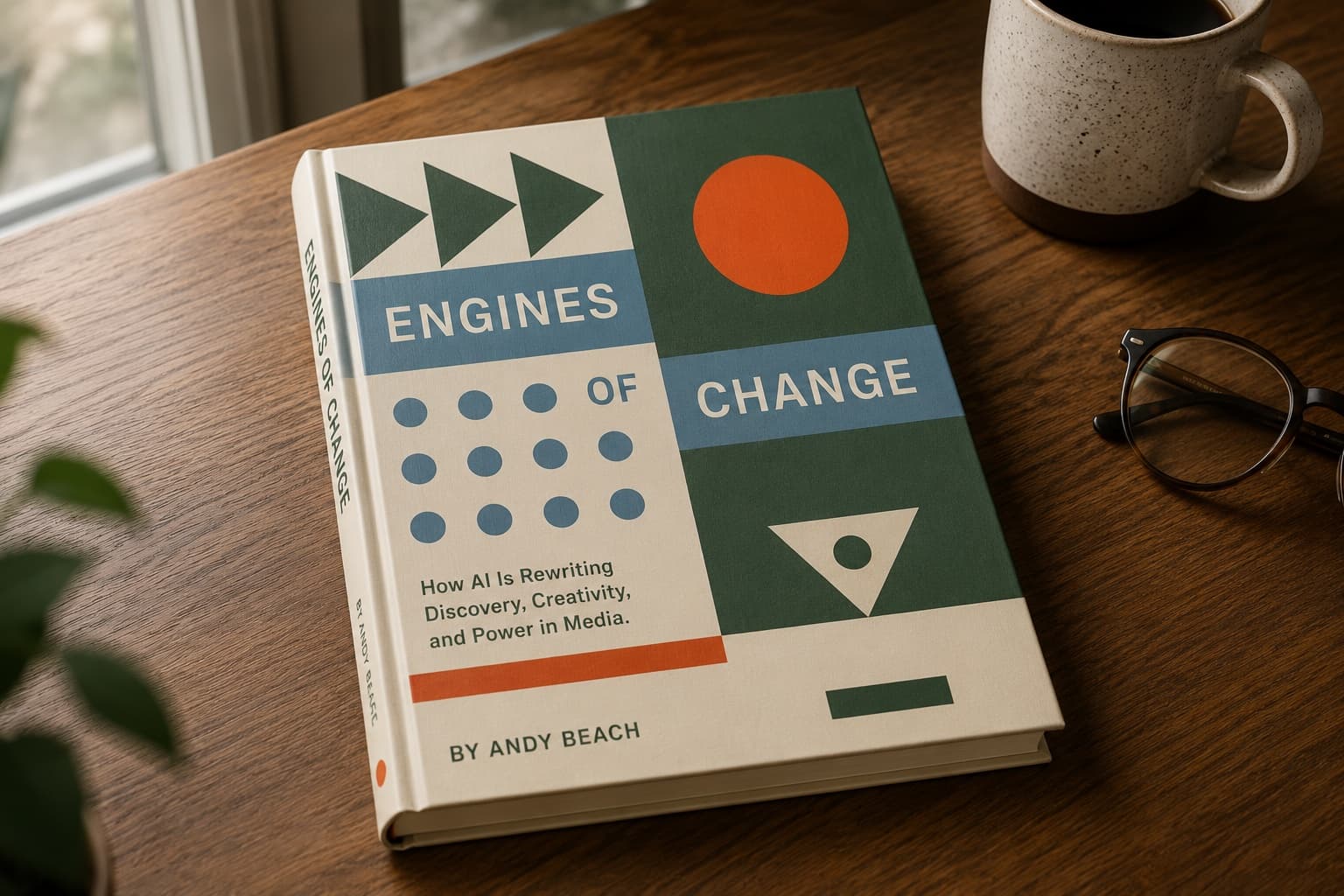
I'm exploring these in essay form through Engines of Change. I'm exploring them in conversation through Future Frames. There's also a book in progress that's trying to put it all in one place. It will take a while.

Engines of Change book on a wooden desk beside a coffee mug and reading glasses

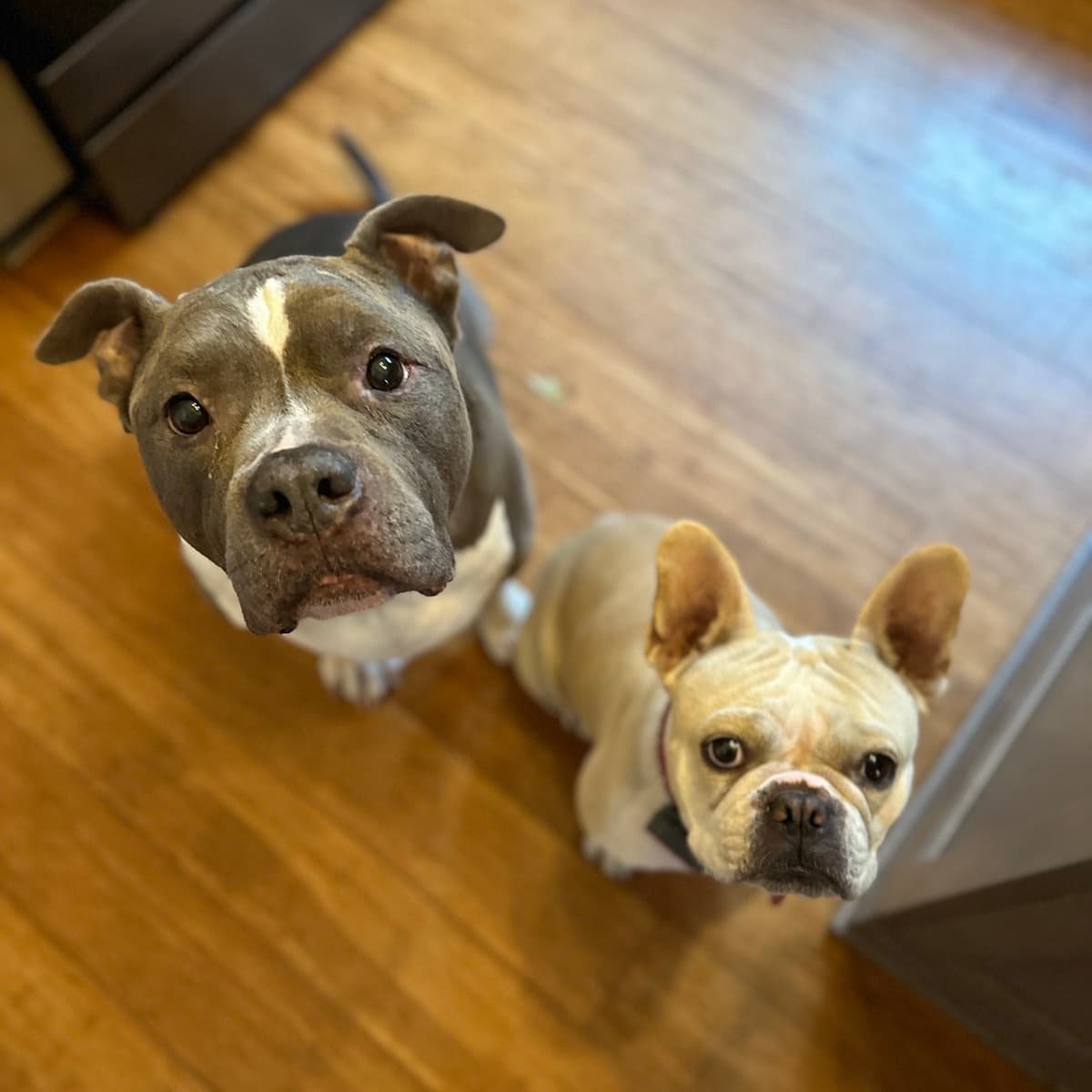
I live in Portland, Oregon with my wife Lisa, my daughter Davy, and two rescue dogs, Willie Jack and Bruce. The dogs are convinced they're in charge. Most days, they're not entirely wrong.

When I can get away, I head for the Washington coast. We have a place out there, and while I don't make it nearly as often as I'd like, it remains one of the few places where my brain reliably slows down.

I make cocktails with the same curiosity that got me into technology in the first place. Not in a serious-hobbyist way. More like an obsessive amateur with a growing collection of books, a dangerously well-stocked bar, and a tendency to treat recipes as suggestions. The cocktail endnotes at the end of Engines of Change are not a bit. Those are real drinks, and most of them started life on my kitchen counter.

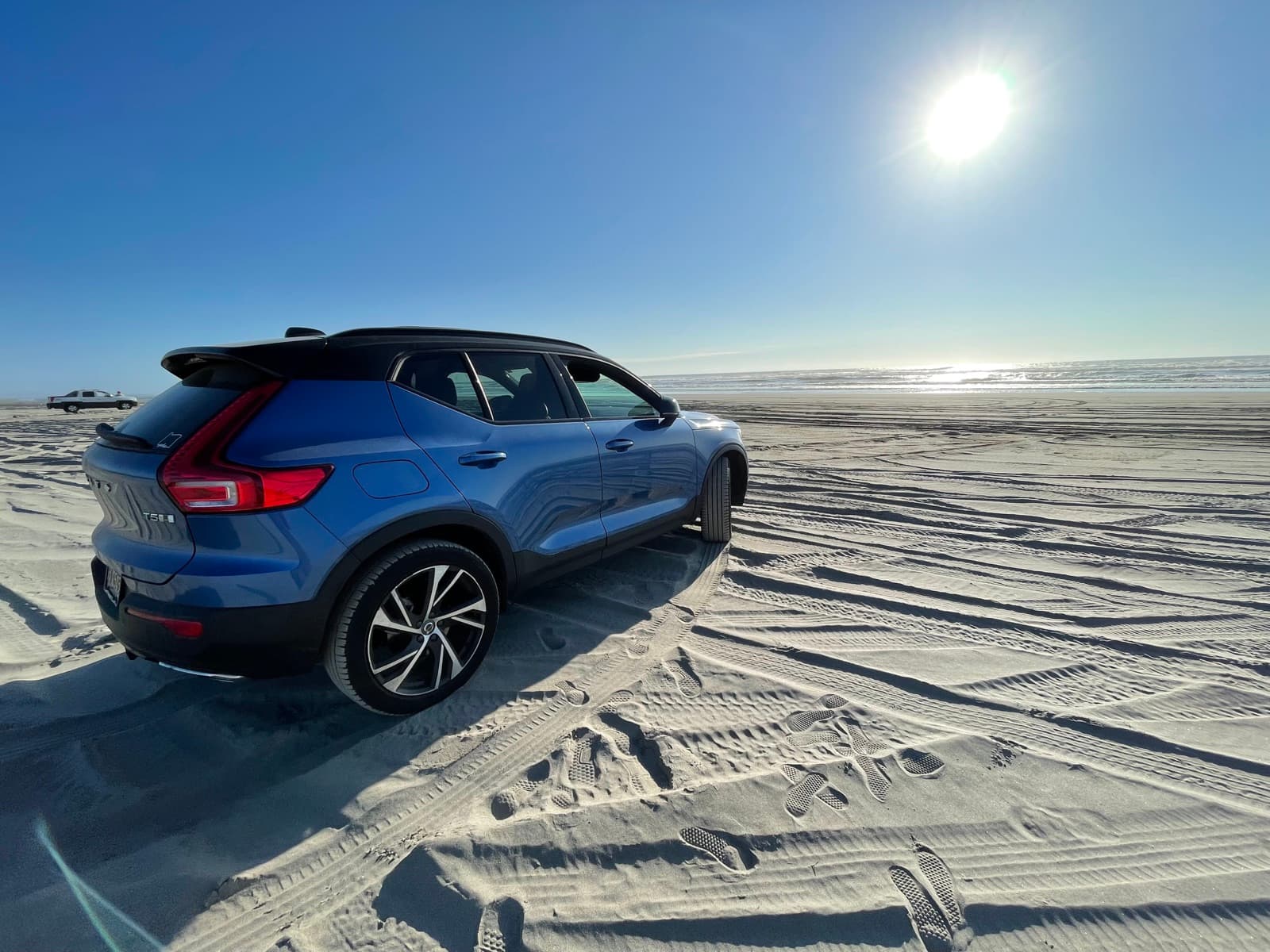
I read more nonfiction than fiction, which feels like something I should probably correct. I have a long-standing affection for rusty old cars and the kinds of machines that require equal parts maintenance, optimism, and bad judgment. The reality of adulthood, however, is that I drive a Volvo.

Most of what I write about professionally comes down to how technology changes people, institutions, and culture. Outside of work, I'm usually chasing the same question from a different angle, whether that's over a good book, a long walk with the dogs, a conversation with friends, or a quiet evening looking out at the Pacific.

A blue Volvo XC40 parked on the sand at Ocean Park beach under full sun
Willie Jack and Bruce, two rescue dogs, looking up from the kitchen floor